
Children’s Dental Care: A Parent’s Guide to Healthy Teeth
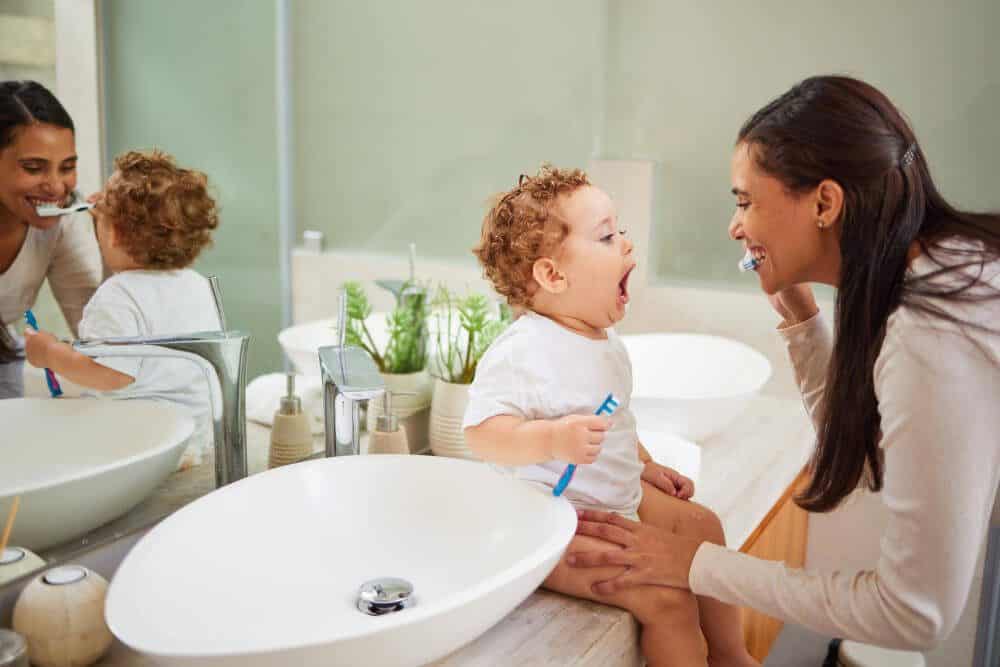
Your child’s smile begins long before their first day at school. A consistent routine, healthy habits, and regular dental visits all play a role in building strong teeth and confident smiles. This children’s dental care guide is designed to help you understand what to do at every stage — from wiping tiny gums to supporting independent brushing in primary school years.
If you live in Yeronga, Annerley, Moorooka, Fairfield, Yeerongpilly or Tennyson, having a clear plan for your child’s oral health can make everyday routines simpler and dental visits more relaxed.
When to Begin Dental Care for Your Child
Many parents ask: When should I start brushing my baby’s teeth? The answer surprises some families — dental care begins from birth.
From Birth: Caring for Gums
Use a clean, moist towel to gently cleanse your baby’s gums after feedings, even before teeth erupt. This removes milk residue and helps your baby get used to oral care.
When the First Tooth Appears
As soon as you see the first tooth (often around six months), start brushing twice daily with:
- A small, soft-bristled infant toothbrush
- A smear of low-fluoride toothpaste (about the size of a grain of rice)
This is an important milestone in your child’s oral hygiene routine.
Key Age Milestones
- Around 1 year: First dental visit (or within six months of the first tooth appearing)
- 2–3 years: Most baby teeth are present
- 6 years onwards: Adult teeth begin replacing baby teeth
Starting early builds comfort and familiarity, which makes future appointments much easier.
Brushing and Flossing by Age
Children develop at different rates, but these general guidelines can help you support healthy habits.
Under 2 Years
- Brush twice daily with a smear of low-fluoride toothpaste
- Always brush your child’s teeth yourself
- Sit them on your lap or stand behind them for better control
Young children do not have the coordination to brush effectively on their own.
Age 2–6 Years
- Use a pea-sized amount of low-fluoride toothpaste
- Encourage your child to hold the brush, but you must supervise and finish the job
- Teach them to spit out toothpaste (no rinsing required)
At this age, brushing should feel positive, not rushed or stressful. Two minutes, twice daily, is the goal.
Age 6 and Over
- Children can brush independently, but supervision is still important
- Continue using age-appropriate fluoride toothpaste
- Check brushing quality, especially along the gum line
A simple rule: if your child cannot tie their shoelaces properly, they likely still need help brushing thoroughly.
When to Introduce Flossing
Start flossing once two teeth touch side by side. This is often around age 2–3. Floss picks designed for children can make this easier for parents.
Consistent brushing and flossing form the foundation of strong kids’ dental health habits that last into adulthood.
Diet and Your Child’s Dental Health
Children’s oral hygiene is greatly influenced by the foods and beverages they consume.
Limit Sugary Foods and Drinks
The danger of tooth decay goes up when you eat a lot of sugar. This includes:
- Lollies
- Sweet biscuits
- Fruit juices
- Flavoured milk
- Sticky snack bars
It’s not just how much sugar — it’s how often. Grazing throughout the day keeps teeth under constant acid attack.
Offer Tooth-Friendly Alternatives
Consider:
- Cheese cubes
- Yoghurt (unsweetened)
- Fresh fruit
- Vegetable sticks
- Nuts (if age-appropriate)
These are better options between meals.
Water as the Main Drink
Tap water in Queensland contains fluoride, which helps strengthen teeth. Encourage water as the default drink, especially between meals.
Watch Meal Timing
Try to:
- Keep snacks to set times
- Avoid sending children to bed with bottles containing milk or juice
- Wait at least half an hour after eating anything acidic before brushing
Small daily decisions make a big difference in paediatric dental care outcomes.
Common Childhood Dental Issues
Even with good routines, some concerns can arise.
Tooth Decay (Including Baby Bottle Caries)
Baby bottle caries occurs when children frequently fall asleep with milk or juice in a bottle. Sugars pool around teeth overnight, increasing decay risk.
Early signs include white spots or brown areas on teeth. Regular dental visits help detect issues early.
Thumb Sucking
Thumb sucking is common in young children. Most outgrow it naturally. However, prolonged habits beyond age 4–5 can affect tooth alignment and jaw development.
Tongue Thrust
Some children push their tongue forward when swallowing. Over time, this may influence tooth position.
Teeth Grinding (Bruxism)
Grinding during sleep is common in children and often temporary. If it persists or causes discomfort, it’s worth discussing at your child’s check-up.
Early Tooth Loss
Baby teeth hold space for adult teeth. If they are lost too soon because of damage or decay, alignment may be impacted later. Early intervention and routine check-ups in Yeronga can help monitor development and reduce complications.
When to Take Your Child to the Dentist
Your child’s first dental visit should occur:
- By their first birthday, or
- Within six months of the first tooth appearing
After that, most children benefit from check-ups every 6–12 months, depending on their needs.
Regular visits help:
- Monitor growth and development
- Identify early signs of decay
- Provide preventative advice
- Build confidence in the dental setting
Some families may be eligible for the Child Dental Benefits Schedule (CDBS), which supports basic dental services for eligible children. Our team can help you with the procedure if you have any questions.
If you’re in Yeronga or nearby suburbs like Annerley, Moorooka, Fairfield, Yeerongpilly or Tennyson, establishing care locally helps maintain continuity and comfort.
Making Dental Visits Fun
Positive early experiences shape lifelong attitudes.
Here are practical kids’ dental tips to make appointments smoother:
Use Positive Language
Avoid words like “hurt,” “needle,” or “pain.” Instead, say:
- “The dentist will count your teeth.”
- “They’ll make sure your teeth are strong.”
Read Books About the Dentist
Children’s storybooks can familiarise kids with what to expect.
Role Play at Home
Take turns being the “dentist” and “patient.” Let your child examine a toy’s teeth.
Avoid Bribing with Treats
Rewarding a dental visit with lollies sends mixed messages. Choose non-food rewards instead.
Praise and Consistency
Celebrate effort, not perfection. Consistent routines build confidence over time. For many families in Yeronga, early positive visits help reduce dental anxiety and encourage lifelong attendance.
FAQ – Children’s Dental Care
When do baby teeth fall out?
Baby teeth usually begin falling out around age 6 and continue until about age 12. The front teeth are typically the first to go.
Is fluoride safe for children?
When used in recommended amounts, fluoride toothpaste is safe and helps strengthen enamel. Always supervise brushing and use only a smear (under 2) or pea-sized amount (2–6 years).
What should I do about thumb sucking?
Most children stop naturally. If the habit continues beyond age 4–5, speak with your dentist for guidance.
How can I manage dental anxiety in kids?
Start visits early, keep language positive, maintain regular appointments, and avoid sharing negative dental stories. Consistency helps children feel secure.
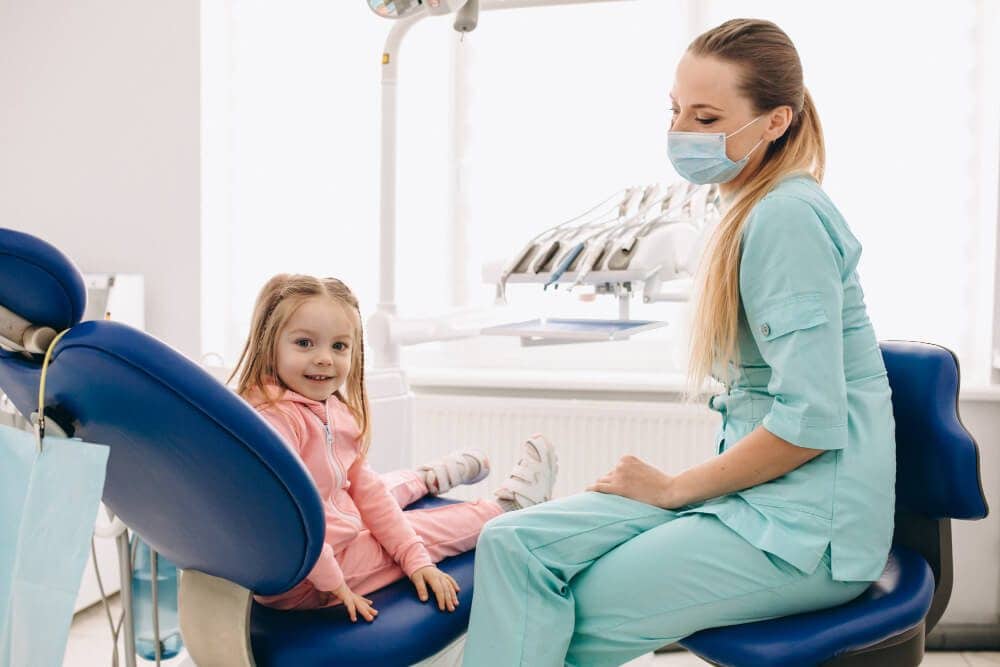
Children’s Dentistry in Yeronga
Supporting your child’s smile is one of the most valuable health habits you can build. At our Yeronga dental practice, we focus on preventative, patient-centred care tailored to your child’s stage of development.
We welcome families from Yeronga, Annerley, Moorooka, Fairfield, Yeerongpilly and Tennyson who are looking for practical guidance and consistent care in a calm environment.
If your child is due for their first visit or routine dental check-up, Ria Family Dental are here to help.
Call us at 0451 359 356 or book online. Visit us at 451 Fairfield Rd, Yeronga.
Early care today supports a healthier, brighter smile tomorrow.