
Impacted Wisdom Teeth: Do They Need to Come Out?
Impacted wisdom teeth are common, but that doesn’t mean every one of them needs to be removed. Whether a specific tooth needs attention depends on how it’s positioned, whether it’s causing problems, and what an X-ray shows, not on a general rule that applies to everyone. This guide covers what impaction actually means, the signs worth paying attention to, and how that assessment process works.
What “Impacted” Actually Means
A wisdom tooth is described as impacted when it hasn’t been able to fully emerge into its normal position, usually because there isn’t enough room in the jaw or because it’s angled against a neighbouring tooth or bone. Impaction can be partial, where part of the tooth has broken through the gum, or full, where the tooth remains entirely below the gumline.
The angle also varies: a wisdom tooth might be angled toward the tooth in front of it, tilted sideways, or in some cases sitting horizontally. None of these descriptions on their own indicate whether removal is needed; that depends on the individual case.
Impacted Wisdom Tooth Symptoms
Some impacted wisdom teeth cause noticeable symptoms, while others are found only on an X-ray with no symptoms at all. When symptoms do occur, they can include:
- Pain or tenderness at the back of the jaw.
- Swelling of the gum around the tooth.
- Difficulty opening the mouth fully.
- A bad taste or odour coming from the back of the mouth.
- Discomfort when chewing on that side.
- A general sense of pressure or crowding toward the back of the jaw.
A wisdom tooth that’s impacted but causing none of these symptoms, and that isn’t showing signs of a problem on an X-ray, may not need to be removed at all. This is part of why symptoms and imaging are considered together rather than impaction alone being treated as a reason for removal.
Pericoronitis
Pericoronitis is inflammation around a partially erupted tooth, most commonly a wisdom tooth. When part of the tooth remains covered by gum tissue, food and bacteria can collect in the area, contributing to inflammation or infection. Symptoms can include pain, swelling, a bad taste, and in more significant cases, difficulty opening the mouth or swallowing comfortably.
Pericoronitis can flare up occasionally or become a recurring issue for a specific tooth, and recurrent episodes are one of the factors that can make removal a more likely recommendation. However, this is assessed on a case-by-case basis rather than automatically.

Wisdom Teeth Age
Wisdom teeth usually begin to erupt during late adolescence or early adulthood, although the timing differs between individuals. This age range is often when an assessment is first considered, partly because jaw growth is largely complete by this stage, making it easier to evaluate how the teeth are positioned and whether they’re likely to cause issues.
This doesn’t mean assessment is only relevant at this age; wisdom teeth can be evaluated at any age if symptoms develop or a dentist notices something worth monitoring at a routine check-up.
Why an X-ray Matters
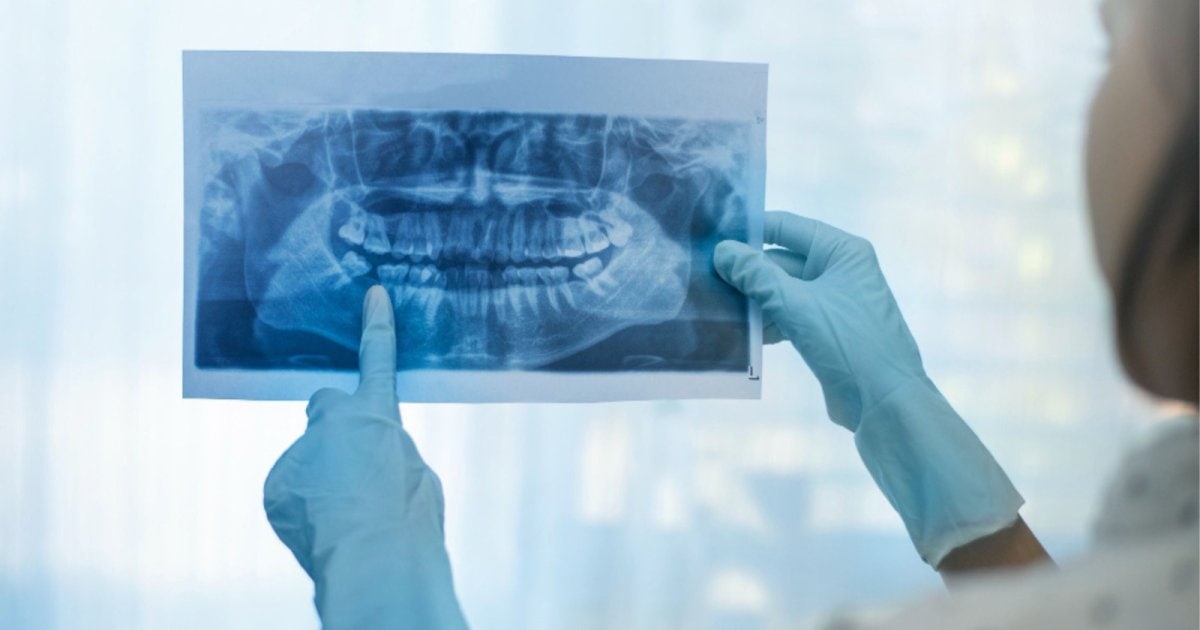
Many impacted wisdom teeth aren’t visible, or only partly visible, during a standard visual exam, since a significant portion of the tooth can sit below the gumline or even within the jawbone. An X-ray, often a panoramic image, shows the tooth’s exact position, its angle, how close it sits to nearby structures like the nerve running through the jaw, and whether there’s likely to be room for it to function without causing problems.
This imaging is a central part of working out whether a specific impacted wisdom tooth needs attention, since it reveals details a visual exam and reported symptoms alone can’t provide.
Do Wisdom Teeth Need Removing?
Not automatically, and not simply because a tooth is impacted. Whether removal is recommended depends on a combination of what the X-ray shows and what, if anything, the tooth is causing:
Removal is more often considered when:
- There’s recurrent pericoronitis or infection around the tooth.
- The tooth is causing pain, pressure, or crowding.
- Decay has developed in the wisdom tooth or the tooth next to it, in a spot that’s hard to treat or clean because of the impaction.
- A cyst or other change has developed around the tooth.
- The tooth’s position is affecting or damaging a neighbouring tooth.
Removal is less often recommended when:
- The tooth is fully erupted, functional, and able to be cleaned effectively.
- There are no symptoms and nothing concerning on the X-ray.
- The tooth isn’t affecting neighbouring teeth or showing signs of decay or infection.
Some impacted wisdom teeth stay in place for life without ever causing a problem or needing removal. Others develop issues over time even if they seemed fine initially, which is part of why periodic review, rather than a one-off decision, is often part of how these are monitored.
Signs Worth Getting Checked
If you’re noticing any of the following, it’s worth having it assessed rather than waiting to see if it resolves:
- Pain or swelling at the back of the jaw.
- A bad taste or odour that doesn’t go away with brushing.
- Difficulty opening your mouth fully.
- Repeated episodes of gum swelling or discomfort in the same spot.
- A sense that a back tooth is under pressure or being pushed.
FAQ
Is removal necessary for every impacted wisdom tooth?
No. Whether removal is needed depends on the individual tooth, what it’s causing, and what an X-ray shows. Some impacted wisdom teeth never cause a problem and don’t need to come out.
What can happen if an impacted wisdom tooth is left alone?
This varies. Some remain stable with no issues long-term. Others can develop recurrent infection, decay, or start affecting a neighbouring tooth, which is why periodic review is often recommended even for a tooth that isn’t currently causing problems.
Is pericoronitis serious?
Symptoms can be mild and temporary, but more significant inflammation may cause swelling, difficulty opening the mouth or discomfort when swallowing. Recurrent episodes are generally taken more seriously than a single mild occurrence.
At what age should wisdom teeth be checked?
Late teens to early twenties is common, since this is often when wisdom teeth emerge, and jaw growth is largely complete. That said, assessment can happen at any age if symptoms develop or a dentist flags something at a check-up.
Can a wisdom tooth be impacted without any pain?
Yes. Many impacted wisdom teeth cause no symptoms at all and are only identified on an X-ray. This is one of the reasons X-rays, not just symptoms, are used to assess them.
How is a wisdom tooth’s impaction actually diagnosed?
Through a combination of a clinical exam and an X-ray, usually a panoramic image, which shows the tooth’s position, angle, and relationship to nearby structures in more detail than a visual check alone can provide.
Book a Wisdom Teeth Assessment in Yeronga
If you’re experiencing any of the signs above, or simply want to know where your wisdom teeth stand, an assessment is the way to get a clear, individual answer.
At Ria Family Dental, we welcome patients from Yeronga and the surrounding areas of Annerley, Fairfield, Moorooka, and Tarragindi.
Call us on 0451 359 356 or book online. You’ll find us at 451 Fairfield Rd, Yeronga QLD 4104.
Any surgical or invasive procedure carries risks. Before proceeding, consider seeking a second opinion from an appropriately qualified health practitioner.