
Dental Fillings: Types, Cost and What to Expect
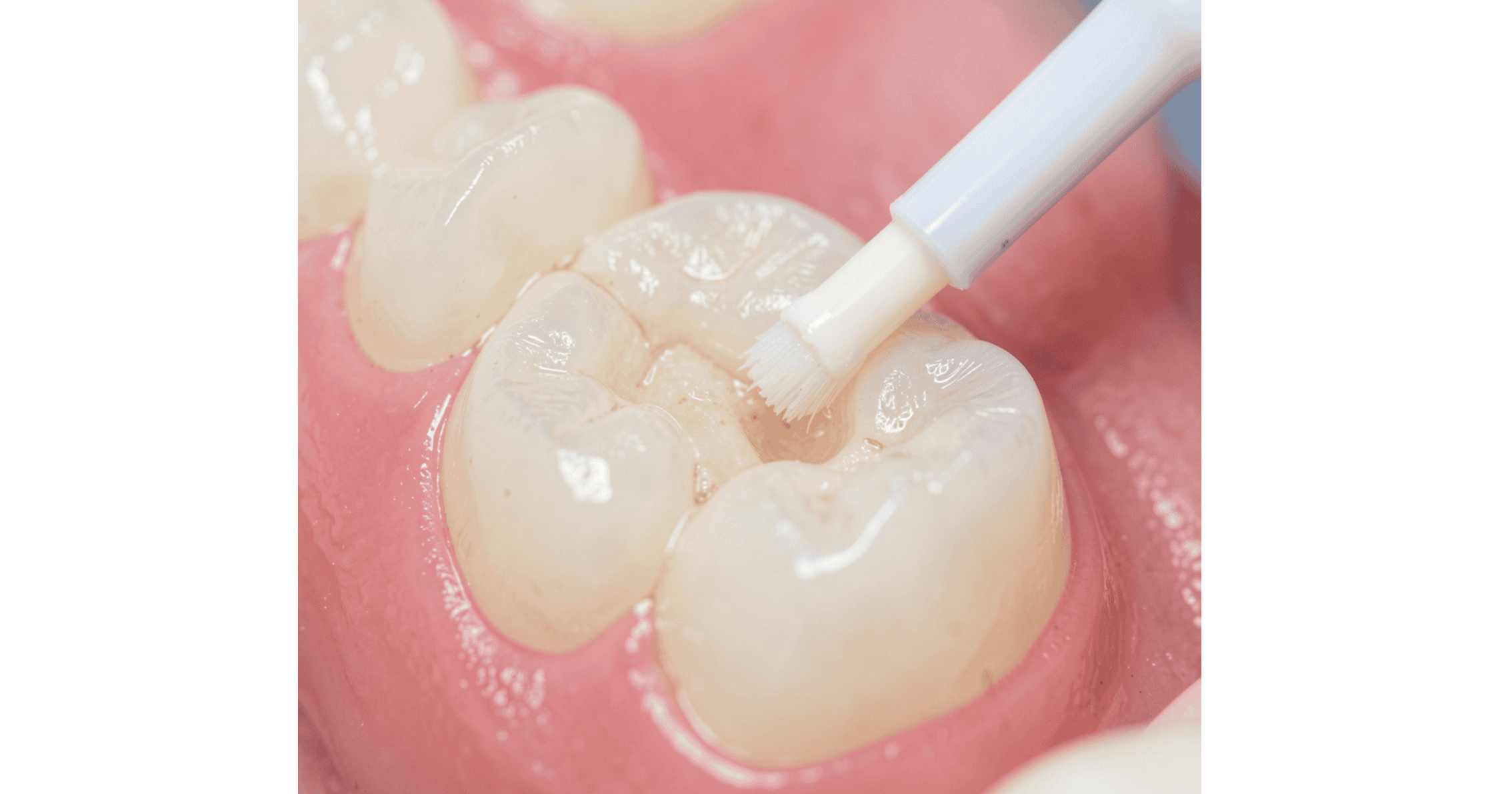
A small cavity can quietly grow into a much larger problem when left untreated. Dental fillings are one of the most common procedures in dentistry — and for good reason. They stop decay in its tracks, restore the tooth’s function, and help you avoid more complex treatment down the line.
If you’ve been told you need a filling, or you’re just curious about what the process involves, this guide covers everything you need to know.
Types of Dental Fillings
Not all fillings are made from the same material, and the right choice depends on several factors, including the tooth’s location, the size of the cavity, and your personal preference.
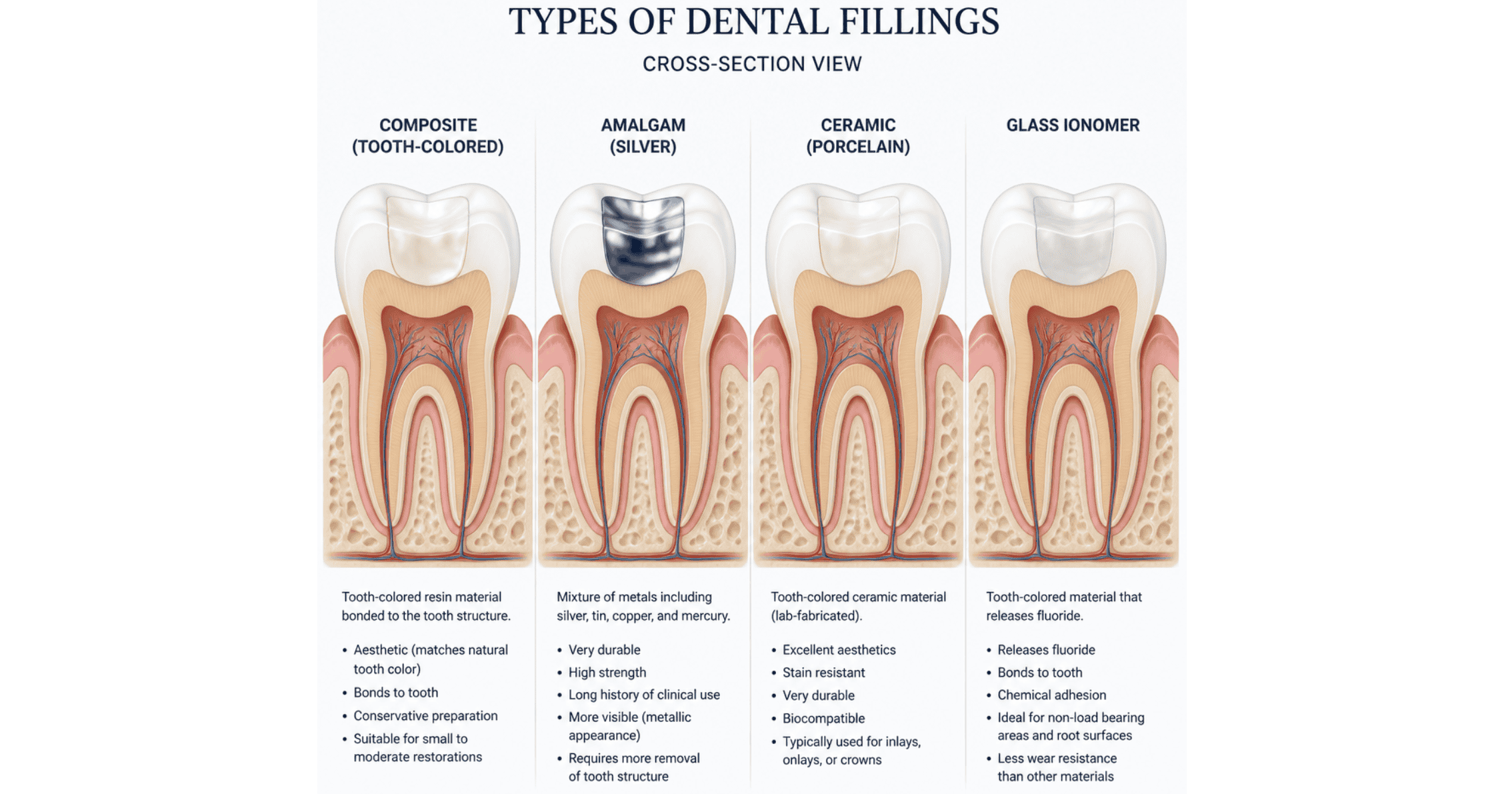
Composite (Tooth-Coloured) Fillings
Composite resin is currently the most commonly used filling material. It’s matched to the shade of your natural teeth, making it virtually invisible once placed. Composite works well for fillings in visible areas — front teeth and premolars especially — and bonds directly to the tooth structure.
It does require the tooth surface to be completely dry during placement, which can make it slightly more technique-sensitive than other options.
Amalgam (Silver) Fillings
Amalgam has been used in dentistry for well over a century. It’s a durable alloy made from a mix of metals, including silver, copper, tin, and mercury (in a stable, non-harmful compound).
Amalgam is particularly suited to back molars where chewing pressure is highest. Its silver colour makes it more visible than composite, which is why many patients now prefer tooth-coloured alternatives for front teeth.
Some older restorations in patients’ mouths are amalgam fillings that have lasted decades.
Ceramic Fillings
Ceramic (porcelain) fillings are tooth-coloured like composite but tend to be more resistant to staining over time. They’re typically fabricated in a lab and bonded to the tooth.
This can make them a longer-lasting aesthetic option, though the process may involve more than one appointment.
Glass Ionomer Fillings
Glass ionomer is a tooth-coloured material that releases fluoride over time, offering some protection against further decay. It’s often used for smaller cavities, fillings near the gum line, or for deciduous (baby) teeth.
It’s generally not as wear-resistant as composite or amalgam, so it’s less common for high-pressure areas.
| Material | Appearance | Approximate Lifespan | Best Suited For |
| Composite | Tooth-coloured | 5–10 years | Visible teeth, small to medium cavities |
| Amalgam | Silver | 10–15 years | Back molars, large cavities |
| Ceramic | Tooth-coloured | 10–15+ years | Aesthetic restorations, stain resistance |
| Glass Ionomer | Tooth-coloured | Shorter-term | Small cavities, baby teeth, near gum line |
The Filling Procedure
If you’ve never had a filling before, knowing what to expect makes the appointment far less daunting.
Numbing the Area
The dentist begins by applying a local anaesthetic to numb the tooth and surrounding tissue. Most patients feel little to nothing once the area is fully numb, though you may sense pressure during the procedure.
Removing the Decay
After ensuring you’re comfortable, the dentist removes the decayed tooth structure using a drill or, in some cases, a laser. This step is about creating a clean, healthy surface for the filling to bond to.
Preparing and Placing the Material
For composite fillings, the tooth is conditioned with a bonding agent before the resin is applied in layers. A curing light is used to harden each layer before adding the next.
Amalgam is packed directly into the prepared cavity and compressed into place.
Shaping and Polishing
Once the material is set, the dentist shapes and adjusts it so your bite feels natural. The surface is then polished to smooth any rough edges.
The entire appointment typically lasts 30 to 60 minutes, depending on where the cavity is and its size.
How Long Do Fillings Last?
Filling lifespan varies by material and how well the restoration is maintained.
- Composite fillings generally last 5–10 years.
- Amalgam fillings can remain durable for 10 to 15 years or beyond.
- Ceramic fillings often fall in the 10 to 15+ year range.
Several factors influence how long a filling holds up:
- Size and location — Larger fillings and those in high-pressure areas (like molars) experience more stress
- Oral hygiene — Regular brushing, flossing, and professional dental cleaning extend the life of any restoration
- Grinding or clenching — Bruxism places significant force on fillings and can accelerate wear.
- Diet — Frequent consumption of hard, sticky, or acidic foods increases the risk of chipping or decay around the filling margins
Fillings don’t last forever. Routine check-ups allow your dentist to monitor existing restorations and catch any deterioration early.
Signs You May Need a Filling Replaced
Fillings don’t always announce themselves when they’re failing. Watch for these signs:
- Sensitivity to hot, cold, or sweet foods that wasn’t there before
- Visible darkening or discolouration around the edges of an existing filling
- Food consistently gets stuck in or around the filled tooth
- Rough or uneven edges you can feel with your tongue
- Pain when biting down, even if mild or intermittent
- A visibly cracked or chipped filling surface
If any of these sound familiar, it’s worth getting the tooth checked. Waiting can allow decay to develop underneath or around the restoration.
Cost Factors for Dental Fillings
Several factors influence the cost of a dental filling:
- Material chosen — Composite and ceramic tend to cost more than amalgam.
- Size of the cavity — A larger cavity requires more material and more time.
- Location of the tooth — Back teeth can be more complex to access and restore
- Private health insurance — Many dental health funds cover a portion of filling costs under general dental or major dental extras, depending on your policy
We recommend contacting your health fund ahead of your appointment to confirm your cover. Our team can also discuss fees with you directly when you book.
Frequently Asked Questions
Will the filling hurt?
The procedure itself is performed under local anaesthetic, so you shouldn’t feel pain during treatment. Some mild sensitivity or soreness around the gum is common for a day or two after the anaesthetic wears off.
When can I eat after a filling?
For composite fillings, you can generally eat once the anaesthetic has worn off — usually within an hour or two. For amalgam, it’s better to wait at least 24 hours before eating on that side, as the material takes longer to harden fully.
Is a white (composite) filling better than a silver (amalgam) one?
Neither is categorically better — they suit different situations. Composite is preferred for aesthetic reasons and bonds well to tooth structure. Amalgam is harder-wearing and better suited to high-pressure areas. Your Yeronga dentist can advise which material is appropriate for your tooth based on the size and location of the cavity.
How many fillings are normal?
There’s no universal number. Decay is influenced by diet, oral hygiene, genetics, and other factors. Some people go their whole lives with no fillings; others may need several. What matters is addressing decay when it’s identified, before it progresses.
Do old fillings always need replacing?
Not necessarily. Fillings that are intact, well-sealed, and showing no signs of wear or secondary decay don’t need to be replaced on a set schedule. Your dentist will assess each restoration at your regular check-up.
Dental Fillings in Yeronga
If you’ve been told you need a filling — or you’re overdue for a check-up — we’re here to help. At Ria Family Dental, we offer a range of tooth filling types to suit different needs, and we take the time to walk you through your options before any treatment begins.
We welcome patients from Yeronga and the surrounding areas of Annerley, Fairfield, Moorooka, and Tarragindi.
Call us on 0451 359 356 or book online. You’ll find us at 451 Fairfield Rd, Yeronga.