
Bad Breath Treatment: Causes and How Your Dentist Can Help

If you are worried about your breath, you are not alone, and there is often a cause that can be found and treated. The right bad breath treatment depends on what is causing it, and the first step is working out why it is happening.
This guide covers the common causes of bad breath, how to tell whether you have it, how a dentist looks for the cause, the treatment options, and the risks and limits of treatment. It also explains when a doctor, not a dentist, is the right person to see. It ends with questions to bring to your appointment.
This article is general information only. It is not a diagnosis. Our bad breath treatment page gives an overview of care at Ria Family Dental.
What is Bad Breath?
Bad breath, also called halitosis, is an unpleasant smell from the mouth. Almost everyone has it at times, for example after certain foods or first thing in the morning.
Persistent or chronic bad breath is different. It stays despite brushing, and it is worth having checked. It is also hard to notice yourself, because your nose adapts to your own breath.
Common Causes of Bad Breath
In most cases, the cause is in the mouth.
Plaque and food trapped in the mouth
Plaque is a film of bacteria that forms on teeth every day. When it is not cleaned away, the bacteria break down food debris and produce smelly compounds. Food trapped between teeth adds to the problem.
The tongue
The back of the tongue has a rough surface that can hold bacteria and debris, forming a coating. For many patients, this is a significant source of odour.
Gum disease
Bacteria below the gumline in gum disease can cause a persistent bad taste and odour. Bleeding, swollen or receding gums are warning signs. Our article on why your gums hurt explains other gum symptoms to watch for.
Tooth decay and worn or damaged dental work
Cavities, cracked or leaking fillings and ill-fitting crowns or dentures can trap food and bacteria. A dental abscess, which is an infection, can also cause an unpleasant taste and smell.
Dry mouth
Saliva helps wash away food and bacteria. When there is less of it, odour can build up. Breathing through the mouth and some health conditions can contribute.
Food, drink and smoking
Strongly flavoured foods, coffee, alcohol and tobacco can leave a lingering smell. Smoking also affects the gums and the mouth in other ways.
Causes outside the mouth
Sometimes the cause is not dental. If your dentist finds no dental cause, they may suggest seeing your doctor.
How to Tell if You Have Bad Breath
It is hard to judge your own breath. Clues include:
- A persistent bad taste.
- A white or yellow coating on your tongue.
- A dry mouth.
- People stepping back or commenting.
Asking someone you trust can help. A dental check-up is a reliable way to look for causes.
How Your Dentist Works Out the Cause
Your dentist will usually:
- Ask when you noticed the problem and about your oral care habits, diet, smoking and any dry mouth.
- Examine your teeth, gums and tongue.
- Check for decay, gum disease, infection and the condition of fillings, crowns and dentures.
- Take X-rays where appropriate.
- Suggest a visit to your doctor if no dental cause is found.
How Bad Breath is Treated
Treatment for bad breath depends on the cause. When the cause is in the mouth, treating it can improve breath. It may not remove bad breath completely, and results vary between patients.
Professional scale and clean
A scale and clean removes plaque and hardened tartar that brushing cannot, including from around the gumline. Your dentist or hygienist will also show you how to keep your teeth and tongue clean at home.
Treating gum disease
If gum disease is found, your dentist will talk through gum disease treatment options, such as deeper cleaning and ongoing maintenance visits. Gum disease is managed over time, and regular care is needed to keep it under control.
Treating decay and repairing dental work
Cavities can be treated with fillings, and worn or leaking dental work can be repaired or replaced. This removes places where food and bacteria collect.
Managing dry mouth
If dry mouth is a factor, your dentist can talk through ways to manage it and look for any contributing causes. If it relates to your general health, they may suggest seeing your doctor.
Your home care routine
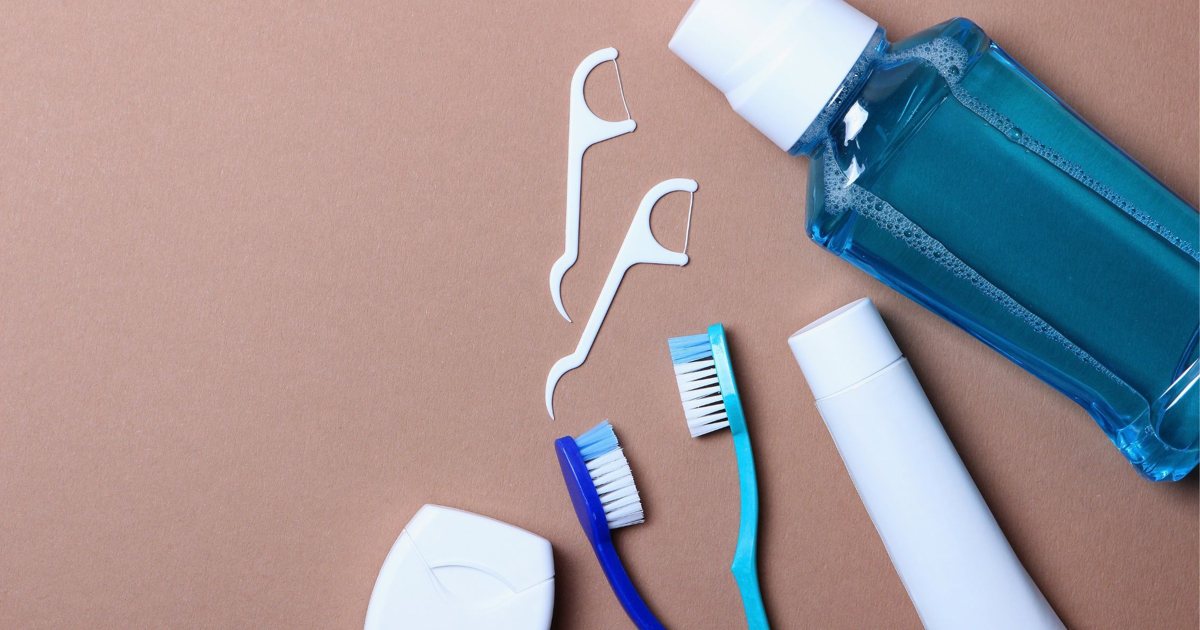
Daily habits matter, whatever the cause:
- Brush twice a day with a soft toothbrush and fluoride toothpaste.
- Clean between your teeth daily with floss or interdental brushes.
- Gently clean your tongue with your toothbrush or a tongue cleaner.
- Clean dentures daily, as your dentist advises.
- Drink water throughout the day.
- Ask your dentist whether a rinse would suit you.
Our oral hygiene page covers daily care in more detail.
When to See a Dentist or a Doctor
See your dentist if:
- Bad breath persists despite good brushing and cleaning.
- Your gums bleed, are swollen or are receding.
- You have a bad taste, a dry mouth or a sore tooth.
- You have not had a check-up for some time.
If your dentist finds no dental cause, or you have other symptoms that concern you, see your doctor.
Risks and Limitations
- Bad breath may not be fully resolved. Treatment can improve breath, but it cannot be guaranteed to remove it.
- It can return. If the cause remains or home care slips, bad breath can come back.
- Not every cause is dental. A dentist cannot treat causes outside the mouth.
- Masking is temporary. Mints, gum and rinses may cover odour for a short time without addressing the cause.
- Treatment has its own effects. A scale and clean can leave gums or teeth sensitive for a short time. Gum treatment can cause soreness, bleeding or gum recession.
Results vary between patients. Your dentist should explain the risks and limitations of any treatment before you go ahead.
Questions to Ask at Your Appointment
- What do you think is causing my bad breath?
- Do I have gum disease, decay or any dental work that needs attention?
- How should I clean my tongue and between my teeth?
- Could dry mouth be part of the problem?
- Do I need to see my doctor?
- What treatment do you suggest, and what are its risks and limitations?
- What are the total costs and what do they include?
Bad Breath FAQs
Can bad breath be cured?
It depends on the cause. When the cause is dental, such as plaque, gum disease or decay, treatment and good home care can improve it. It cannot be guaranteed to go away completely, and it can come back if the cause returns.
Does mouthwash fix bad breath?
A rinse may cover odour for a while, but it does not deal with the cause. If bad breath persists, have your teeth and gums checked, and ask your dentist whether a rinse would suit you.
Why is my breath worse in the morning?
Saliva flow drops during sleep, which lets odour build up. This is common. If bad breath lasts through the day, see your dentist.
Can dentures cause bad breath?
They can, if they are not cleaned well or do not fit properly, as food and bacteria can collect on or under them. Ask your dentist to check how yours fit.
Book a Dental Check-up and Clean in Yeronga
Worried about your breath, or noticed a bad taste that won't go away? The next step is an examination.
At Ria Family Dental, your dentist can check your teeth, gums and tongue, look for possible causes and talk through your options before you decide on anything. You can also read about bad breath treatment at Ria Family Dental.
Call us on 0451 359 356 or book online to arrange a dental check-up and clean.
We are at 451 Fairfield Rd, Yeronga QLD 4104, and we welcome patients from Yeronga, Annerley, Fairfield, Moorooka and Tarragindi.
This article is general information and does not replace advice from a registered dental practitioner or doctor. All dental procedures carry risks. Results vary between patients. Ask your dentist whether treatment is appropriate for you.