
Teeth Grinding in Children: Should Parents Be Concerned?
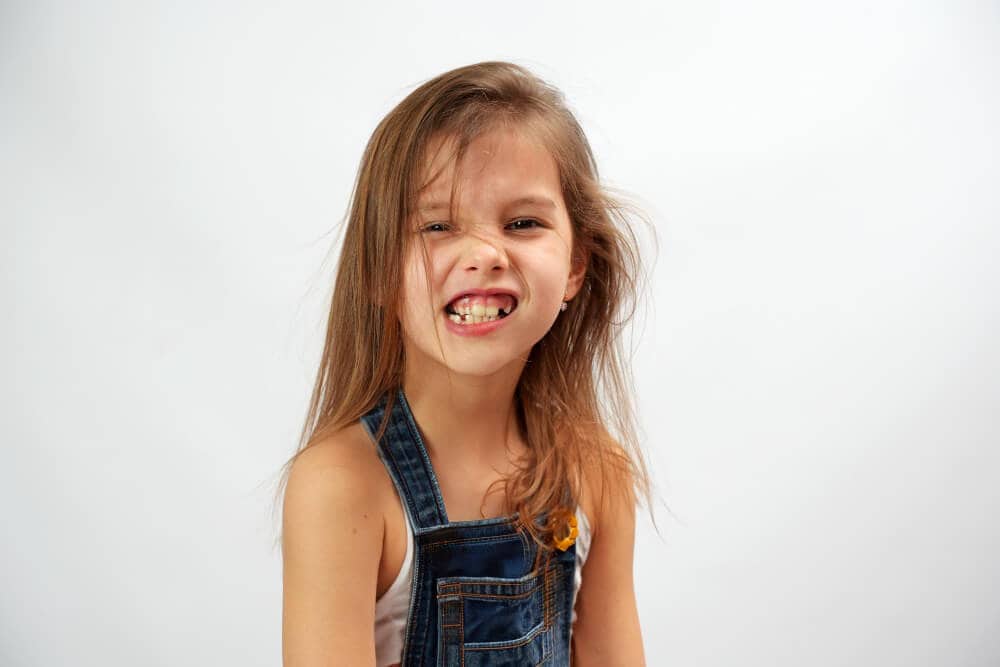
If you’ve ever heard a strange grinding or squeaking sound coming from your child’s room at night, you’re not alone. Many parents are caught off guard the first time they hear it.
The good news is that children’s teeth grinding is extremely common and, in most cases, nothing to panic about. But it’s still worth understanding what’s behind it, what to watch for, and when it’s time to involve a dentist.
Is Teeth Grinding Normal in Children?
Yes — more common than most parents realise. Research suggests that up to 30% of children grind their teeth at some point during childhood. The technical term is bruxism, and in kids it tends to happen most often during sleep, which is why parents usually hear it before their child ever reports it.
Kids’ bruxism often starts around the time their teeth are erupting — either when the first baby teeth come through in toddlers or during the transition to permanent teeth in older children. It can come and go over the years, and many children move through it without any lasting effects.
So if you’ve noticed a toddler grinding teeth at night, there’s a reasonable chance it will resolve on its own. That said, some cases do warrant attention, and it helps to know the difference.
Why Do Kids Grind Their Teeth?
There’s rarely one single cause, which is part of why it can be tricky to pin down. Some of the more common contributing factors include:
- Teething and bite development — When new teeth are coming through, children sometimes grind their teeth in response to pressure or discomfort. It’s the jaw’s way of working out the new fit.
- Stress and anxiety — Children feel stress too, even if they can’t always name it. Changes at home, starting school, or social pressures can all trigger nighttime bruxism in children.
- Sleep disturbances — A child’s teeth grinding at night is often linked to disrupted sleep cycles. Children who snore or have restless sleep are more prone to it.
- Breathing and allergy issues — Nasal congestion from allergies or enlarged adenoids can affect how a child breathes during sleep, which in turn can contribute to grinding.
- Hyperactivity — Some studies have found a link between bruxism and children who have higher activity levels or attention-related conditions, though the relationship isn’t fully understood.
In many cases, no clear cause is identified. That’s normal too.
Signs Your Child May Be Grinding
Some children grind loudly enough for parents to hear. Others do it so lightly that it goes unnoticed until a dentist spots wear on the teeth. Signs to look out for include:
- Grinding or squeaking sounds during sleep
- Complaints of jaw soreness or headaches in the morning
- Visible wear, flattening, or chipping on teeth
- Increased tooth sensitivity, especially to temperature
- Disrupted sleep or waking more often than usual
- Jaw clicking or stiffness
Not all of these will be present at once. Even one or two, if they’re persistent, is worth raising with your dentist.
When to See Your Dentist
Most cases of children’s teeth grinding don’t require urgent intervention, but there are situations where professional assessment is the right move:
- The grinding has continued past age 6 or 7 without improvement
- There’s visible wear, cracking, or flattening of teeth
- Your child regularly wakes with jaw pain or headaches
- Grinding is happening during the day, not just at night
- You’ve noticed changes in bite or tooth shape
- Sleep disruption is affecting your child’s day-to-day functioning
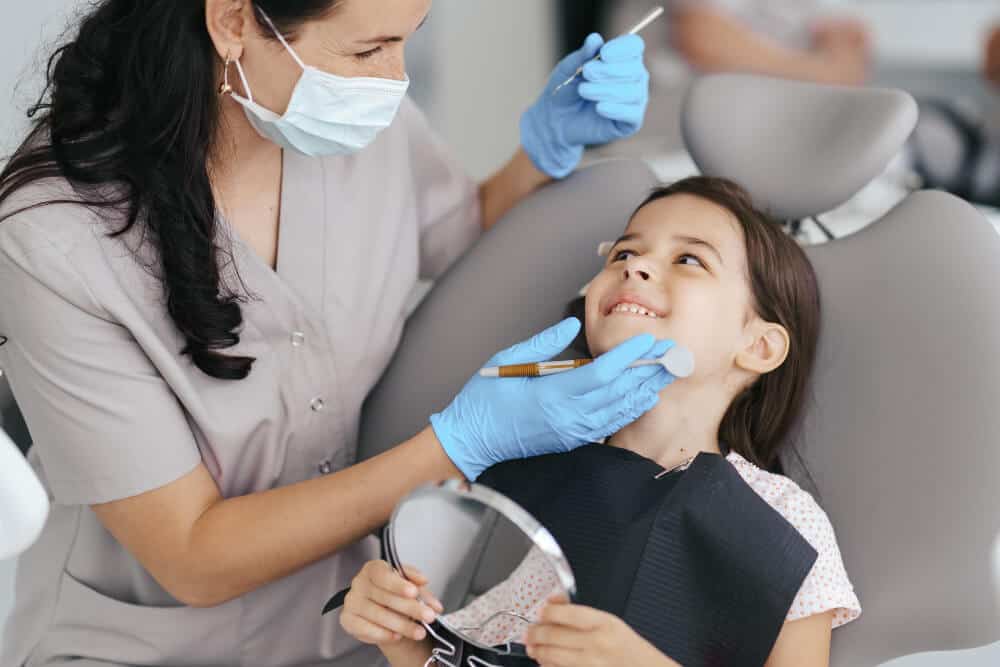
A dentist can check for wear patterns, assess bite alignment, and advise whether monitoring or treatment is appropriate. Catching significant wear early — before permanent teeth are fully affected — makes management much more straightforward.
Treatment and Management Options
The most reassuring thing to know about bruxism in children’s treatment is that the majority of children simply outgrow it. As the jaw develops and the bite stabilises, grinding typically reduces on its own.
For cases that need more active management, approaches may include:
- Regular dental monitoring — For mild grinding, your dentist may simply monitor wear at routine dental check-ups rather than intervene immediately.
- Stress reduction — If anxiety appears to be a contributing factor, calming bedtime routines, reducing screen time before sleep, and open conversation about any worries can help.
- Night guards — Custom-fitted mouthguards are generally only considered for older children with significant wear, as they’re not practical for younger children whose jaws are still growing. Your dentist will advise if this is appropriate.
- Addressing breathing issues — If congestion or airway problems are suspected, your dentist may refer you to a GP or specialist to look into that further.
There’s no one-size-fits-all answer, which is why a proper assessment matters more than self-managing at home.
Frequently Asked Questions
Will my child outgrow teeth grinding?
Most do. Bruxism is particularly common between the ages of 3 and 10, and the majority of children stop grinding as their bite matures. It’s less common in teenagers and adults.
Can teeth grinding damage permanent teeth?
In severe or prolonged cases, yes. Significant enamel wear, cracking, or changes to the bite can occur. This is why ongoing grinding — especially once permanent teeth are in — should be assessed by a dentist.
Should I wake my child up when I hear them grinding their teeth?
No. Disrupting sleep can cause problems of its own. Instead, note how often it’s happening and mention it at the next dental visit.
Is teeth grinding related to worms?
This is a common belief in some communities, but there is no scientific evidence linking intestinal worms to bruxism. The connection is a myth.
When should I actually be worried?
If grinding is frequent, your child is waking with pain, or you can see visible damage to the teeth, that’s when to book an appointment rather than wait for the next routine check-up.
Teeth Grinding Treatment in Yeronga
Concerned about your child’s teeth grinding? Visit Ria Family Dental in Yeronga!
If you’re not sure whether what your child is doing is worth investigating, we’re happy to take a look. At Ria Family Dental, we see families from Yeronga, Annerley, Fairfield, Moorooka, and Tarragindi, and we’re used to fielding exactly these kinds of concerns from parents.
An early check gives you a clear picture of what’s happening with your child’s teeth — and peace of mind either way.
Call us at 0451 359 356 or book online. Visit us at 451 Fairfield Rd, in Yeronga.